
Humid air can make a home feel heavy, so many people ask, “Do heat pumps work in humid climates?” Modern heat pumps manage moisture well with steady settings that keep indoor conditions calm. Early use helps create smooth airflow and balanced temperatures, improving comfort in every room.
New users may see slow changes at first because humidity settles gradually as the system adjusts to the home. Warm weather in Hamilton shows that steady cooling brings clearer comfort once the unit runs consistently. This blog shares simple steps to help the system manage moisture in a calm, predictable way.
Heat pumps are not just for heating and cooling; they also help reduce moisture indoors. By moving warm air across a cooled coil, they naturally remove some humidity from the air. This process allows your home feel less heavy and more comfortable.
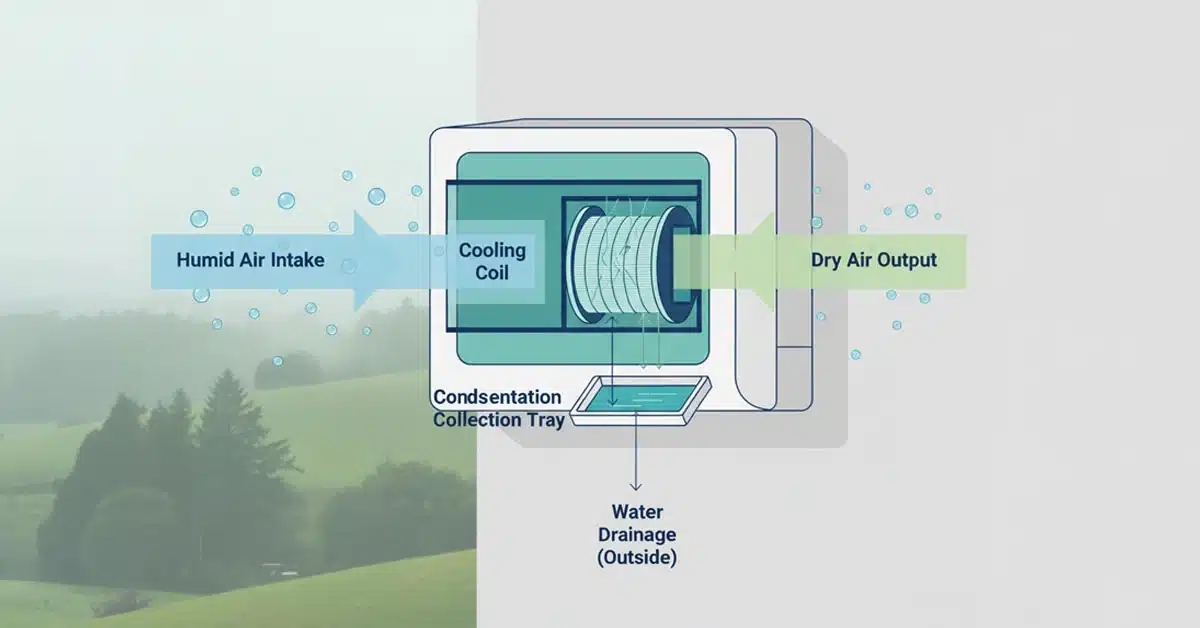
In humid climates, heat pumps:
Even though heat pumps are effective, the level of comfort depends on how you use them. For homeowners wondering whether heat pumps work in humid climates, the answer is yes, provided the system is properly installed and maintained.
One of the most critical times for your heat pump is the first week of operation. Here are some heat pump operation tips for beginners. During this period, your unit is adjusting to your home’s layout, insulation, and airflow. Here are some tips to help you get the best results:
A consistent routine during the first week ensures your heat pump can handle both heat and moisture without overworking. Following these steps will lay the foundation for long-term comfort.
Dry mode removes moisture from the air without making the room too cold. It is beneficial for reducing indoor humidity with a heat pump in summer and keeping your home feeling fresher on warm, sticky days.

Dry mode slows the fan, allowing the indoor coil to stay cool for longer. This gives the system more time to collect moisture from the air. Because the fan speed is lower, the system remains in the moisture removal stage longer than in Cool mode.
Dry mode is helpful when:
Understanding the difference helps answer the question of whether heat pumps work in humid climates because each mode manages comfort differently.
Switching between these modes when needed helps maintain steady indoor comfort.
Fan settings affect noise levels and how well your heat pump controls humidity. Using the proper mode helps keep your home comfortable with steady, efficient airflow.
Auto mode is the most efficient and humidity-friendly option. In this setting, the heat pump adjusts its fan speed to suit the room’s cooling or drying needs.
Benefits of Auto mode:
Quiet mode is best for night-time use, especially in bedrooms where low noise is essential. It runs the fan at a gentle speed to keep the room calm and comfortable.
Benefits of Quiet mode:
The direction of airflow plays an essential role in comfort because it affects how humidity interacts with the body. Gently angled louvres spread cool air across the room, helping the unit remove moisture without blowing strongly toward anyone sitting nearby. Larger spaces benefit from wider airflow, while smaller rooms feel more comfortable when air reaches all corners gradually.
Straight airflow sometimes creates a cold spot that exaggerates the feeling of humidity because uneven cooling leaves parts of the room warmer. Gentle upward angles help air circulate in a smooth pattern, encouraging moisture to spread evenly before the unit removes it. Owners often notice a softer indoor environment after adjusting louvres because controlled airflow prevents sharp temperature changes.
Guidance on whether heat pumps work in humid climates often includes advice on airflow, as comfort in humid places depends on slow, even cooling. Setting angles that suit each room ensures the system works efficiently without creating strong draughts. Consistent direction helps the unit stabilise humidity more effectively during warm, damp periods common in Hamilton.
Keeping your heat pump filters clean helps your system run smoothly. Regular checks also improve comfort and efficiency, especially in humid areas. Maintaining filters is a simple way to support overall system performance.
Filters are essential for proper airflow and controlling indoor moisture. During the first few weeks of operation, it is necessary to check them regularly to prevent blockages. This helps your heat pump work efficiently and keeps your home comfortable.
Cleaning filters weekly also reduces dust and allergens in the air. It allows the system to operate without overworking and maintains consistent airflow. Regular checks can make a big difference in how heat pumps work in humid climates.
Filters lose effectiveness over time and need to be replaced according to the manufacturer’s schedule. Using old or clogged filters can reduce airflow and system efficiency. Replacing them ensures your heat pump continues to perform well and manage indoor humidity.
New filters also help prevent strain on the system, saving energy and extending its lifespan. They allow the heat pump to maintain steady airflow, improving comfort in your home. Proper replacement keeps the system working at its best.
Dust can build up around vents and block airflow if not cleaned regularly. Keeping vents clean ensures that air moves freely and the system can remove moisture effectively. This also helps maintain an even temperature throughout your home.
Regular vent cleaning supports good indoor air quality and system efficiency. It reduces the chance of humidity buildup and keeps your home comfortable. Small steps like this help your heat pump run smoothly over time.
Simple habits help any heat pump manage humidity more effectively, especially in regions where warm, moist air enters through open windows. Closed windows during muggy periods let the system maintain indoor consistency without fighting rapidly rising outdoor humidity. Stable indoor spaces remain easier to cool because moisture does not rush in and undo the unit’s work.
Curtains also support comfort by blocking the sun, which increases indoor heat and causes more moisture to build as temperatures climb. Rooms stay cooler with reduced sunlight, helping the system operate without long cycles that strain its ability to manage humidity. When combined with steady settings, these simple habits provide clear benefits during humid weather.
Discussions about whether heat pumps work in humid climates often include reminders that basic habits make a big difference across all brands. Homes with proper insulation and minimal gaps maintain humidity levels more easily because air does not shift unpredictably. Best heat pump settings for humid weather in Hamilton show improved results when simple daily steps support airflow and moisture control.
In some homes, even an efficiently run heat pump may not fully address humidity problems. Long-term strategies can complement your system and maintain a comfortable indoor environment year-round.
Consider the following options:
These solutions ensure your heat pump continues to perform at its best while keeping your home comfortable in the long term.
Understanding how heat pumps work in humid climates makes it easier to keep your home comfortable. Using Dry mode, steady airflow, and a consistent temperature helps reduce stickiness. Simple daily habits can help manage changing humidity throughout the season.
Good comfort comes from using your system in simple, steady ways each day. Small changes help it run smoothly and match your home’s natural rhythm with less effort. Hamilton Aircons offers straightforward advice for households that want reliable humidity control and year-round comfort.
© 2026 | Hamilton Air Conditioning | All Rights reserved | Designed by 